







Search Results for: smallholder farming
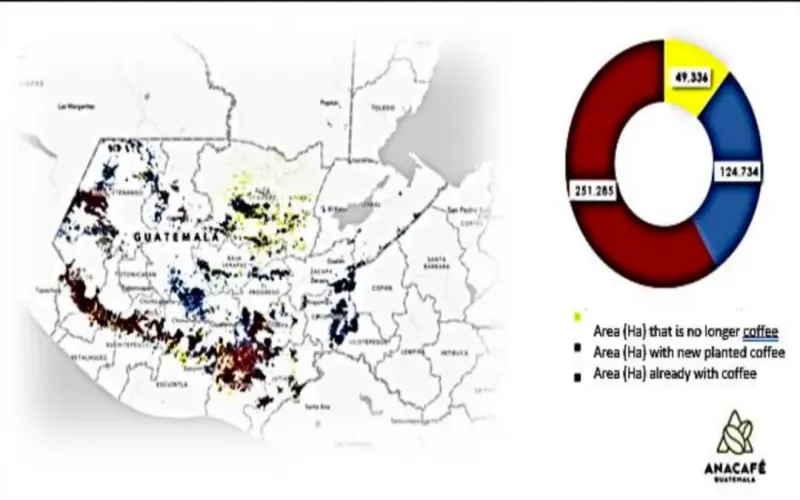
Despite the expansion of coffee-growing areas in Guatemala, smallholder farmers still face the dual challenges of cost and climate
The Guatemalan National Coffee Association (Anacafé) recently released a redrawn coffee map showing that the country's coffee-growing area has expanded, and the structure of large, medium, and smallholder farmers has become clearer. However, the increase in area has not led to higher yields, and smallholders still face challenges such as high fertilizer costs, labor shortages, and inadequate processing facilities. At the same time, the price gap between specialty coffee and commercial coffee continues to narrow, and the upcoming rainy season may be unusually severe due to the influence of La Niña. Anacafé is supporting coffee farmers through extension services and sustainable profitability programs. Front Street Coffee continues to follow developments and flavor performance in Guatemalan producing regions. [more…]
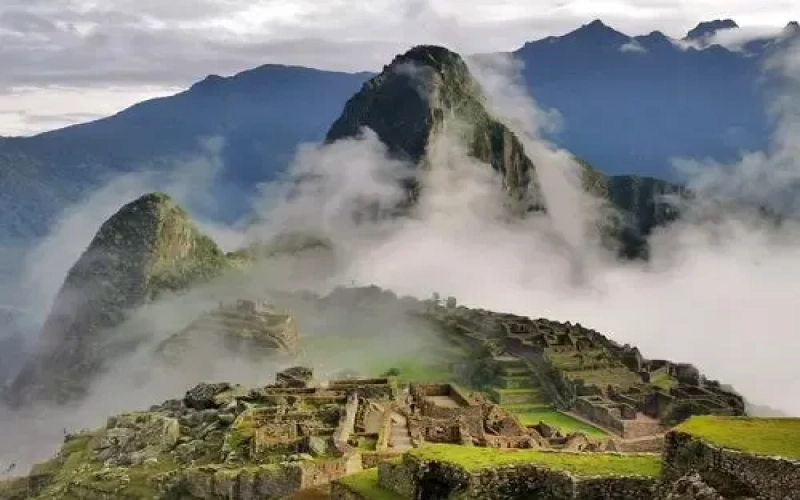
Exploring Peru's Cajamarca Coffee Region: Smallholder Specialty Coffee in the Andes and the Story of a COE Champion
Nestled in the embrace of the South American Andes, Peru may not be as high-profile as Colombia and Brazil, yet thanks to its volcanic soil, tropical mountain climate, and high-altitude growing conditions, it produces coffee beans of outstanding quality. Among its regions, the northern Cajamarca region has performed particularly impressively in recent years, earning renown not only for its smallholder intercropping model and sustainable farming practices, but also for its frequent appearances on the COE list. This article will take you deep into the Cajamarca growing region's geographical environment, historical context, and cultivation characteristics, and analyze the secrets behind the success of the 2023 COE champion farm, Yoniser Mego Silva. [more…]

Flavor Analysis of Peru Cajamarca Coffee Region: Smallholder Farming in the Andes and Cup Performance
In western South America, Peru is bisected north to south by the Andes Mountains, whose complex terrain and diverse climates provide exceptional conditions for coffee cultivation. As an important coffee-producing region in Peru, Cajamarca's cultivation history can be traced back to the late 19th century, and today it is dominated by smallholder farmers, with coffee often intercropped with bananas, avocados, corn, and other crops. The coffee beans produced here typically carry flavors of caramel, cocoa, and berries, apples, plums, with medium acidity and good body. This article will guide you through Cajamarca's terroir conditions, variety structure, cultivation methods, and processing techniques, and explain where its signature flavors come from. Front Street Coffee will also combine the characteristics of the region to recommend Peruvian Cajamarca coffees worth trying. [more…]
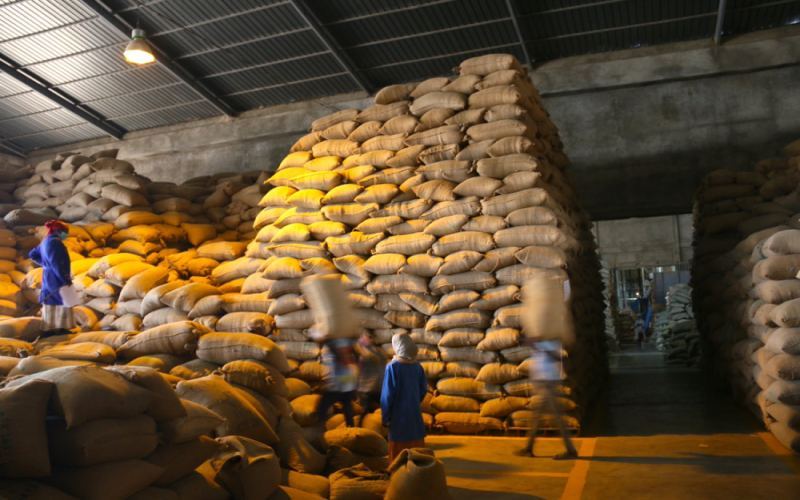
Ethiopia's Three Major Coffee Export Systems and the ECX Trading Mechanism: How Single-Farm Beans Like Hambela Hualukui Reach Overseas Markets
Ethiopia, as the holy land of specialty coffee, has a rather complex coffee export system. According to local regulations, coffee exports are divided into three major systems: ECX bidding, cooperatives, and single farms. Among these, cooperatives and single estates can bypass the ECX and export directly, offering relatively complete traceability. The ECX was founded by Eleni Gabre-Madhin in 2008, and through grading, warehousing, and real-time information, it transformed the trading circumstances of coffee farmers. However, what truly achieves 100% traceability is the single farm system that has risen in recent years. The Sidamo sun-dried Huakui is a representative work from the Hambela farm. This article will sort out the operational differences among the three systems, the trading logic of the ECX, the structure of the six major cooperative unions, and the significance of single farms to specialty coffee. Front Street will also continue to follow these origin developments, bringing coffee enthusiasts clearer origin knowledge. [more…]
Kenya AA Coffee Flavor Grade Analysis and Overview of Main Coffee Estates and Producing Regions
Kenyan coffee is renowned for its bright fruit acidity, full body, and complex flavors, and AA grade is the benchmark among them. This article is based on a five-day visit to Kenya's producing regions, starting from Nairobi and passing through Thika, Kiambu, and Nyeri, with on-site inspections of Sasini Estate, Jane's smallholder farm, and the Thika coffee processing plant, systematically sorting out Kenya's coffee growing conditions, variety characteristics, grade classifications, and washed processing methods. Whether you are interested in estate beans or smallholder beans, you can find answers here. Front Street Coffee also continues to recommend Kenya AA, and the information in this article can serve as a reference for purchases. [more…]
Ethiopia Red Cherry Project Wateema Washed Beans: A Complete Analysis of Flavor, Region, and Processing Method
Operation Cherrie Red is a quality improvement project initiated by the Dutch company Trabocca, aimed at incentivizing smallholder farmers in Ethiopia to produce high-quality coffee. This article focuses on the Wottuna Boltuma washed beans from Front Street Coffee's Ethiopian Operation Cherrie Red, providing a detailed introduction to the program's operating model, stringent selection criteria, regional characteristics, and cup flavor profile. From hand-picking fully ripe red cherries to requiring a cupping score of 88 or above for selection, Operation Cherrie Red returns all profits to participating farms. These washed beans originate from the Sidama region, are grown by 260 smallholder farmers at an elevation of 1,900 meters, and the volcanic clay soil nurtures jasmine and rose aromas, black tea and bergamot sweetness, and a clean mouthfeel, making them well worth exploring for coffee enthusiasts. [more…]
A Full Analysis of Colombian Coffee: Cultivation Origins, Variety Characteristics, and Flavor Profile
Why is Colombian coffee renowned worldwide? Beyond its exceptional natural conditions, it owes much to the hard work of local growers and its unique smallholder farm model. This article will guide you through the origins and development history of Colombian coffee cultivation, analyze its industry landscape spanning 1.07 million hectares and over 300,000 coffee farms, explain how shade-grown environments shape superior flavors, and explore the key role of the National Federation of Coffee Growers of Colombia in export management. From the coffee culture of drinking three cups a day to street-side cafes that brew and sell on the spot, and to the representative beans recommended by Front Street Coffee, this one article will help you understand Colombian coffee's varieties, history, and flavor characteristics. [more…]

Why Is Single-Origin Fresh Milk Taking Over Specialty Coffee Shops? A Guide to Choosing Milk for Latte Art
In recent years, specialty coffee shops have become increasingly particular about their choice of milk, and single-origin, traceable fresh milk is becoming a new favorite. Compared with ordinary blended-origin milk, this type of milk source not only allows the farm information to be traced, but also has a brighter and richer taste. From Australia to China, more and more coffee shops are beginning to try smallholder milk, goat milk, and even camel milk, bringing unique flavors to milk coffee. After milk is heated, the lactose is activated, the milk fat adds a rich and mellow feel, and the milk foam gains abundant layers, which is why espresso milk drinks such as lattes, cappuccinos, and flat whites each have their own characteristics. This article will guide you through why single-origin milk is so popular, what milk to choose for coffee latte art, and include a review of Front Street Coffee's milk testing. [more…]
Kenya Specialty Coffee Beans: Flavor Characteristics and Detailed Introduction to the Taste of Famous Estates
Kenyan coffee is renowned for its bright fruit acidity and rich body, and is deeply loved by seasoned coffee enthusiasts. Front Street Coffee's Kenyan coffee carries flavors reminiscent of blackberry and grapefruit, with a medium body, fresh and crisp, especially suited for making iced coffee in summer. Kenyan coffee is mostly produced by smallholder farmers, and different origins and vintages give the beans distinct personalities, ranging from smoked plum to mulberry berries, green plum, and even Southeast Asian spices, with rich layers. Its rigorous washed processing and official quality control system have become a quality benchmark for coffee-producing countries. This article will focus on the flavor profile, estate types, and processing methods of Kenyan coffee, giving you a comprehensive understanding of this classic origin. [more…]
A Complete Analysis of Kenyan Coffee Regions: From SL Varieties to the K72 Washing Method and the Historical Thread of the Auction System
Kenya is located in the equatorial zone of East Africa, with the Great Rift Valley running north to south through the country. The plateaus within its borders have an average elevation of about 1,500 meters, providing exceptional terroir conditions for coffee cultivation. Coffee is Kenya's second-largest agricultural export after tea, grown mainly on volcanic plots at elevations of 1,600 to 2,100 meters from the capital Nairobi to the areas around Mount Kenya. This article systematically examines the varietal composition of Kenyan coffee, the microclimatic characteristics of each major producing county, the iconic K72 washed processing method, the green bean grading system, and the evolution of the auction system from the colonial period to the rise of smallholder cooperatives—taking you deep into the complete picture of this heavyweight of African specialty coffee. [more…]

Micro-lots and Cooperatives: The Journey of a Hand-Pour Bean from Farm to Shelf
On specialty coffee menus, words like "micro-lot," "cooperative," and "processing station" are appearing more and more frequently, and price tags often jump up along with them. Behind these words lies an entire organizational system of origin—from seed to your pour-over dripper, the supply chain behind a bag of coffee is far more fascinating than you might imagine. First, let's look at the survival structure of smallholder farmers. [more…]
Yirgacheffe's Emerging Micro-Region Gedeb: An Analysis of the Pour-Over Flavor and Processing Techniques of High-Altitude Coffee Beans
Yirgacheffe has long become synonymous with African specialty coffee, and within this designated appellation, a micro-region called Gedeb is quietly rising. It is located in the Gedeo Zone, with an average altitude of 1,900 to 2,200 meters, far higher than the traditional Yirgacheffe region, giving the coffee beans a hard, dense texture and unique flavor. Gedeb's smallholder farmers send carefully picked coffee cherries to the Kochere processing station, where they are sun-dried on raised beds for 15 to 20 days, creating an elegant flavor interwoven with floral notes and berries. This article will take you deeper into Gedeb's regional characteristics, processing techniques, and its taste performance under pour-over and American-style brewing. Front Street Coffee recommends that you pay attention to this emerging region with outstanding value for money. [more…]
Ethiopia Guji Ana Sora Farm Natural Sidamo G1: Single Estate Lot 3 Flavor and Origin Interpretation
Located in the Guji region of Ethiopia, the Anasora Farm is a rare single-estate coffee production site in the country, covering about 250 hectares at an altitude of 1,900 to 2,350 meters. This Lot3 batch is processed using the African raised-bed single-layer slow sun-drying method, presenting a complex aroma of strawberry cookie, mixed berries, citrus, and florals, accompanied by maple-syrup-like sweetness and a solid, rich mouthfeel. The delicate blueberry aroma from high fermentation, the sweet, full-bodied coffee, and the typical Sidamo depth at medium temperatures give this bean a long finish and lingering sweetness. Front Street Coffee recommends it to enthusiasts who love sun-dried Ethiopian coffee. This article will outline the estate's background, trends in the Guji region, and relevant Oromo context to help readers fully understand the origins and story of this bean. [more…]
Yirgacheffe Worka Cooperative Washed Medium Roast: Flavor Profile & Pour-Over Parameters
The Yirgacheffe region has long been celebrated for its bright acidity and elegant floral aroma, and the washed beans from the Worka Cooperative stand out as one of its most distinctive offerings. These beans come from the small town of Werka in the Gedeb region of southern Ethiopia, run collectively by 305 smallholder farmers and holding Fair Trade and organic certifications. Worka employs traditional washing methods, revealing layers of aroma reminiscent of citrus, lemon, and Tieguanyin, with clean, bright acidity and a long-lasting sweet finish. This article will provide a complete overview—from the cooperative's background, growing conditions, and processing methods to Front Street Coffee's actual brewing recipe—of this washed Yirgacheffe bean that is ideal for beginners looking to experience the region, helping readers build a foundational understanding of its flavor profile. [more…]
A Complete Guide to African Coffee Origins: Flavors and Signature Beans from Ethiopia, Kenya, and Beyond
Africa, as the continent where coffee originated, has given rise to coffee-producing regions with distinctly striking styles, among which Ethiopia and Kenya stand out in particular. This article systematically reviews the regional characteristics, variety systems, and processing methods of Africa's major coffee-producing countries—Ethiopia, Burundi, Kenya, Rwanda, and Tanzania—and introduces one by one the representative beans from each country currently sold by Front Street Coffee, covering popular lots such as Yirgacheffe, Sidamo, Gesha Village, and Kenya Little Tomato. Whether you prefer bright fruity acidity or rich fermented aromas, you can find your ideal choice on this African coffee map. [more…]
Why Are Ethiopian Coffees Often Labeled Heirloom? From the Meaning of Heirloom to the Flavors of Huakui and Yirgacheffe, Explained in One Go
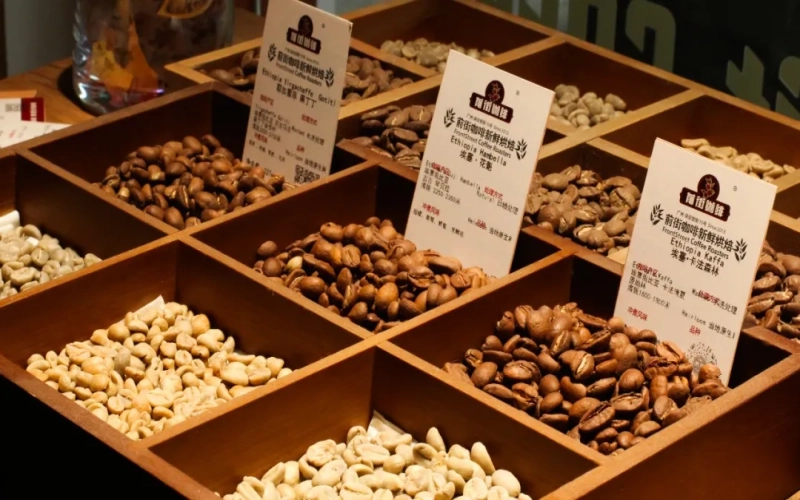
When selecting Ethiopian coffee beans, many people notice that the variety column almost always says "Heirloom/native species," and Front Street and other vendors are no exception. Why doesn't Ethiopian coffee label specific varieties like other producing countries? Is Heirloom actually Arabica? What does it have to do with the flavors of Huakui and Yirgacheffe? From the perspective of Front Street, this article first explains the definition and origin of Heirloom, then explains the practical reasons why it is difficult to subdivide varieties in Ethiopia, including the vast coffee gene pool, the model of wild harvesting and smallholder farming, and the convention of mixed purchasing at processing plants. Finally, it will also mention that Ethiopia does not only have Heirloom, and uses Huakui and Gudingding from the Front Street bean list as examples to let you experience the classic flavors of Guji and Yirgacheffe. [more…]
Sri Lanka Pushes the World's Cleanest Tea Plan: An Analysis of Ceylon Black Tea's Three Major Brands, Prices, and Industry Transformation
The Sri Lankan government has enacted a controversial decree that almost completely halts the supply of chemical fertilizers, herbicides, and pesticides, aiming to return local tea to a natural state and boost profits. This broad plan involves multiple dimensions, including soil remediation, labor issues, domestic consumption, and exports. Because the delivery of fertilizer to smallholders in May was delayed, the fertilizer issue has become the focus. Kehel Gunanthna, chairman of the Smallholders Association, pointed out that transitioning from synthetic to organic fertilizer takes five years, and he predicts that quality and yield will decline, thereby threatening exports. Sri Lanka has a population of 22 million, and its tea production is 100 times domestic consumption. Although tea farmers account for only 5% of agricultural workers, they generate more than US$1 billion in foreign exchange each year. Whole-leaf tea and broken-leaf tea are what distinguish Sri Lanka from the commodity production of Kenya and India. Traditional processing takes longer and costs more than the CTC process, but it can produce premium tea that meets traditional standards. Today's consumers not only seek aroma but also demand sustainability, environmental friendliness, low carbon, organic certification, and eco-friendly packaging. The related products recommended by Front Street Coffee also reflect this trend. [more…]
African Coffee Origins Illustrated Guide: From Ethiopia to Tanzania, Exploring the Flavor Code of Floral Aromas and Fruity Acidity
As the continent where coffee originated, Africa is home to the world's most distinctive coffee flavors. From the citrus and floral notes of Ethiopia to the vivid berry and tomato characteristics of Kenya, and on to the unique regional expressions of Burundi, Rwanda, and Tanzania, African coffee has won over countless coffee lovers with its lively, bright fruit acidity and intense aromas. Front Street Coffee has long been deeply involved in African growing regions. This article will systematically review the regional characteristics, variety systems, processing methods, and flavor trends of Africa's major coffee-producing countries, and introduce Front Street's currently available African specialty coffee beans one by one, helping coffee enthusiasts build a complete framework for understanding African coffee. [more…]
Flavor Analysis of Bolivian Washed Coffee Beans: Cocoa Natural Processing and the Rise of the Specialty Industry
Bolivia's specialty coffee has risen prominently in recent years, and behind this success are the efforts of Agricafé and the Sol de la Mañana program. This article will guide you through the unique flavors of Bolivian washed coffee—a blend of rich floral aromas and juicy acidity, accented with notes of lemon and papaya; it also introduces the taste differences brought by the可可 natural process. From Caturra and Catuai varieties to the growing environment at 1,800 meters, as well as the smallholder production system and domestic sales tradition, we will also share Front Street Coffee's observations and recommendations on Bolivian coffee, helping you fully appreciate the charm of this South American origin. [more…]
Ethiopian Coffee Export System and ECX Grading Mechanism: A Special Analysis of the Yirgacheffe Region
Ethiopia, as the birthplace of coffee, has an export system and grading structure that directly shape the flavor in the cups of coffee lovers worldwide. This article takes an in-depth look at the country's three major coffee export systems—ECX bidding, cooperatives, and single estates—revealing how ECX reshapes coffee trading through its pricing mechanisms, warehousing and logistics, and real-time information, while focusing on the ECX specialty grading standards of the Yirgacheffe region. It also introduces the operating models of the six major cooperative unions, and how well-known cooperatives such as Front Street Gediding and Front Street Woka stand out through their exquisite processing techniques. Whether you are a coffee professional or an enthusiast, you can understand from this the quality logic of Ethiopian coffee from origin to cup. [more…]